
How Can Private Pilates Sessions Transform Your Physical Fitness and Core Strength?
The Foundation of Personal Pilates Training and Why It Matters
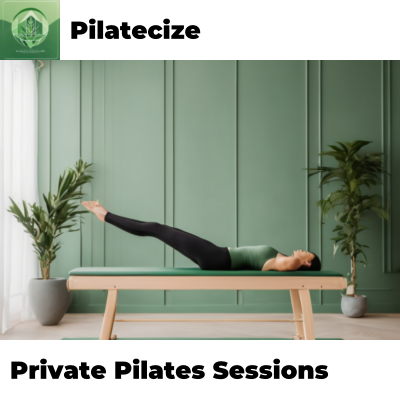
Private pilates sessions represent a fundamentally different approach to fitness instruction compared to the conventional group class environment. When someone embarks on their pilates journey with personalized attention, they're not just learning a series of movements—they're developing a sophisticated understanding of how their unique body mechanics function. The distinction between generic fitness advice and tailored pilates instruction cannot be overstated. Each human body carries its own history, injuries, strengths, asymmetries, and goals. A certified pilates instructor observing you in a one-on-one setting captures nuances that would vanish in a crowded studio. They notice whether your left hip sits higher than your right. They detect compensatory movement patterns developed over years of sitting at a desk. They recognize when you're holding tension in your neck rather than engaging your deep core muscles.
The methodology underpinning pilates instruction goes far deeper than surface-level exercise performance. Founded on principles developed by Joseph Pilates nearly a century ago, this practice integrates breathing mechanics, spinal alignment, muscular engagement patterns, and intentional movement sequencing. Private sessions allow instructors to apply these foundational principles directly to your individual needs. Rather than modifying a class designed for twenty participants, your instructor designs every single session around your specific circumstances.
Understanding the Core Benefits of One-on-One Pilates Instruction
Personalized pilates training delivers measurable results that extend beyond simple muscle engagement. The transformation occurs through several interconnected mechanisms:
Postural correction and alignment – Most people develop postural deviations over months and years. These misalignments create muscle imbalances, restrict breathing capacity, and contribute to chronic pain patterns. A private pilates instructor identifies exactly where your posture deviates from optimal alignment and systematically corrects these patterns through targeted exercises.
Injury prevention and rehabilitation – Whether you're recovering from a specific injury or working to prevent future problems, personalized instruction proves invaluable. Your instructor learns about past injuries, current limitations, and movement restrictions. They design exercise progressions that rebuild strength without aggravating vulnerable areas.
Accelerated results and efficiency – Working with a professional who understands your body means every repetition counts toward meaningful progress. There's no wasted time performing exercises that don't serve your particular goals or current capacity level.
Accountability and consistent progression – Scheduled sessions create structural accountability. Your instructor tracks your advancement, adjusts difficulty levels appropriately, and maintains detailed records of your progress. This systematic approach prevents plateaus and keeps you moving forward.
The Difference Between Private Sessions and Group Classes
Group pilates classes certainly offer value—they provide community, affordability, and the motivation that comes from exercising alongside others. However, they operate within inherent constraints. An instructor managing a class of eight to twenty people cannot provide the same level of individualized attention. They must select exercises that accommodate the broadest range of abilities simultaneously. Modifications get offered verbally rather than through hands-on guidance. Your form might not get corrected until a pattern becomes entrenched.
Private sessions eliminate these compromises entirely. The environment gets controlled specifically for your needs. Music volume, room temperature, and session pacing all adjust to your preferences. There are no distractions, no concerns about keeping up with stronger participants, and no self-consciousness about modifying exercises. This focus creates an optimal learning environment where progress accelerates substantially.
Comprehensive Understanding of How Pilates Strengthens and Stabilizes Your Body
The human body contains approximately 600 muscles working in coordinated patterns throughout daily activities. Most fitness approaches focus on obvious muscle groups—the quadriceps, biceps, and chest muscles that create visible definition. Pilates operates differently. It emphasizes deep stabilizer muscles, the often-neglected muscular framework that provides foundational support for larger muscle groups and protects joints from injury.
The "powerhouse"—pilates terminology for the deep core musculature—includes your transverse abdominis, multifidus, pelvic floor muscles, and diaphragm. These muscles work in concert to stabilize your spine during movement. When these stabilizers remain weak or uncoordinated, compensation patterns emerge. Other muscles work overtime attempting to accomplish tasks they weren't designed for. This creates inefficiency, chronic tension, and eventual injury.
How Progressive Exercise Sequencing Builds Functional Strength
Private pilates instruction unfolds through deliberately designed progressions. Your instructor doesn't simply assign random exercises; rather, they construct logical sequences that build upon previous sessions. Early sessions establish fundamental movement patterns and awareness. Subsequent sessions layer complexity, add resistance, or introduce dynamic challenges.
Consider the progression of core engagement work:
Foundation phase – Initial sessions focus on learning to engage your deep stabilizer muscles while in stable positions. You might practice breathing patterns coordinated with gentle transverse abdominis engagement while lying supine.
Integration phase – As awareness develops, movements add complexity. You perform basic exercises like the "hundred" or "roll-ups" while maintaining optimal spinal alignment and consistent core engagement. Your instructor provides tactile feedback, perhaps placing hands on your ribs to ensure proper stabilizer activation.
Dynamic application phase – More challenging exercises introduce movement complexity. Standing exercises like leg springs work or the reformer's footwork demand continuous stabilization as limbs move through space.
Real-world transfer phase – Finally, exercises specifically target movement patterns from your daily life. If you sit for hours, your instructor designs sequences addressing the postural deviations this creates. If you're an athlete, exercises train sport-specific movement patterns with pilates-based stabilization principles.
The Connection Between Breathing Mechanics and Core Function
Breathing represents an often-overlooked component of fitness training. Most people breathe inefficiently, using primarily their upper chest rather than engaging their diaphragm fully. This shallow breathing pattern restricts core engagement capacity, limiting how effectively stabilizer muscles function.
Pilates emphasizes coordinated breathing—specifically, lateral thoracic breathing where the ribcage expands sideways and backward rather than purely upward. This pattern maintains core engagement throughout the breath cycle rather than releasing tension during inhalation. Your private instructor teaches this breathing technique directly, ensuring you understand the mechanics before layering it onto exercise performance. Without proper breathing coordination, even perfect exercise form produces suboptimal results. With coordinated breathing, your body becomes substantially more efficient, stronger, and more resilient.
Addressing Common Misconceptions About Pilates and Private Instruction
Many people hold incomplete or inaccurate beliefs about pilates training. These misconceptions sometimes prevent individuals from experiencing the genuine benefits available through personalized instruction.
Myth: Pilates Only Works for Flexibility
While pilates certainly improves flexibility, this represents merely one aspect of its comprehensive benefits. The practice builds genuine strength—not bulky muscle mass, but functional strength derived from stabilizer muscles working efficiently. Research published in fitness and rehabilitation literature demonstrates that pilates training significantly increases strength measurements across multiple muscle groups. Private instructors can emphasize either flexibility or strength-building components depending on your specific goals, often combining both for comprehensive fitness development.
Myth: You Must Be Flexible to Begin Pilates
Actually, individuals with poor flexibility often experience the most dramatic improvements through pilates training. Stiffness usually indicates weakness in stabilizer muscles and movement restriction patterns. Pilates systematically addresses both factors. Your private instructor starts you exactly where your current flexibility permits, then progressively increases range of motion through intelligent exercise sequencing. Within weeks, many students notice substantial flexibility gains.
Myth: Pilates Provides Only Superficial Core Work
The opposite proves true. Pilates training develops profound, functional core strength that translates into everyday life improvements. You'll notice easier stair climbing, improved posture while sitting at computers, reduced lower back pain, and enhanced athletic performance. These changes result from genuine muscular adaptations and neurological reprogramming. Private instruction accelerates these adaptations dramatically.
Myth: Private Sessions Cost Too Much for Results
While private sessions certainly cost more than drop-in group classes, the value proposition becomes clear when considering several factors. Your instructor spends approximately an hour per session designing your specific program, providing hands-on guidance, adjusting exercises in real-time, and tracking your detailed progress. You receive expert instruction costing a fraction of what personal training or physical therapy would charge—often at similar quality levels. Many individuals find that investing in private pilates sessions prevents expensive future medical interventions, making the cost economically sensible.
The Specialized Equipment and Methods Used in Professional Pilates Studios
Joseph Pilates originally developed his system using only a mat and gravity-based resistance. Contemporary pilates studios, particularly those offering private sessions, have expanded this toolkit significantly. Understanding the various equipment options helps clarify why professional instruction in equipped studios produces different results than at-home mat practice.
Reformer-Based Training and Its Advantages
The pilates reformer represents perhaps the most recognizable piece of pilates equipment—a bed-like apparatus with a
moving carriage, springs, and handles. The reformer provides variable resistance through spring tension adjustment, allowing exercises to scale from beginner-friendly to extremely challenging. Your private instructor adjusts spring resistance precisely, ensuring you work at your capacity level. The machine provides excellent feedback—you immediately feel whether you're engaging muscles correctly through how the carriage moves.
Reformer training offers several distinct advantages:
- Springs provide accommodating resistance, meaning the exercise becomes harder as you move through the range of motion rather than throughout the entire movement
- The moving carriage demands continuous stabilization, engaging your core intensely
- Instructors can easily modify exercise difficulty by adjusting springs without changing the fundamental movement pattern
- The machine's structure provides tactile feedback, helping you understand proper alignment
- Seated, standing, kneeling, and supine positions on the reformer allow comprehensive muscle group training
Mat-Based Pilates and Bodyweight Mastery
Mat pilates uses only your body weight and gravity as resistance. This approach demands exceptional body awareness and core stability, as no equipment provides structural support. Many experienced pilates practitioners consider mat work the pinnacle of the practice—it requires complete mastery of fundamental principles without mechanical assistance.
Private mat instruction involves:
- Teaching fundamental movement patterns with minimal distractions
- Developing exceptional proprioceptive awareness
- Building functional strength that translates directly to daily activities
- Using props like foam rollers, blocks, and resistance bands strategically
- Creating progressions that challenge without external equipment
Mat-based private sessions often precede reformer training for beginners, establishing baseline understanding before introducing variable resistance challenges. Conversely, experienced practitioners frequently return to mat work, treating it as an advanced, humbling practice.
Specialized Equipment for Targeted Training
Professional studios like Pilatecize often include additional equipment serving specific purposes:
Cadillac (Trapeze Table) – This large apparatus resembles a bed with overhead bars and springs. It accommodates dramatic ranges of motion and allows for both strengthening and stretching work. The Cadillac particularly benefits individuals with mobility restrictions or those requiring gentle rehabilitation.
Barrels – Curved equipment pieces that support spinal extension and lateral flexion work. Different barrel styles—the spine corrector, ladder barrel, and arc barrel—address different goals. These tools work beautifully for postural correction and building strength through extended ranges of motion.
Resistance Bands and Springs – Portable, affordable tools that private instructors use to increase exercise difficulty and vary resistance throughout movements. These allow infinite customization possibilities.
Specialized Props – Magic circles, foam rollers, and blocks serve multiple purposes. Your instructor uses these tools to provide tactile feedback, modify exercise difficulty, and enhance proprioceptive awareness.
How Equipment Selection Enhances Your Private Session
Your private instructor selects equipment strategically based on your current fitness level, specific goals, and any physical limitations. A beginner might start exclusively on the mat, progressing to the reformer as foundational strength develops. Someone with lower back pain might focus on the barrel for spinal extension work before advancing to more dynamic movements. An athlete might emphasize reformer work for its dynamic stabilization challenges.
This equipment flexibility means your private sessions adapt continuously as your capacity increases. What felt impossibly challenging in week three becomes manageable by week ten, at which point your instructor progresses you appropriately. This systematic progression prevents both plateaus and overtraining.
Identifying Your Specific Goals and How Private Sessions Address Them
People seek private pilates instruction for remarkably diverse reasons. Some desire aesthetic improvements. Others pursue rehabilitation following injury. Athletes seek performance enhancement. Busy professionals want efficient fitness solutions. Older adults pursue fall prevention and mobility maintenance. Your private instructor tailors every aspect of your program around your particular objectives.
Weight Management and Body Composition Changes
While pilates alone doesn't dramatically reduce body weight, it substantially improves body composition through muscle building and posture correction. As you develop lean muscle tissue, your metabolic rate increases slightly. Your instructor can emphasize certain exercises that engage larger muscle groups, maximizing caloric expenditure per session.
Beyond metabolic effects, pilates creates visible physical improvements. Standing taller with corrected posture immediately makes you appear leaner. Developed stabilizer muscles create subtle but noticeable definition. Many people report that clothing fits differently after consistent pilates training, even when scale weight changes minimally. This occurs because muscle tissue occupies less space than fat tissue at equivalent weights.
Your private instructor might structure sessions emphasizing:
- High-repetition exercises engaging large muscle groups
- Dynamic standing work demanding continuous stabilization
- Breathwork coordinated with challenging positions
- Progressive resistance increases as strength develops
Pain Reduction and Injury Rehabilitation
Chronic pain often stems from muscular imbalances, poor movement patterns, and inadequate stabilizer muscle function. Pilates addresses all three factors simultaneously. As your stability improves and posture corrects, pain frequently diminishes or resolves entirely.
Your private instructor works closely with your medical providers if you're recovering from specific injuries. They understand contraindications, modifications, and progressive loading principles. Your program systematically rebuilds strength without aggravating healing tissues. Many individuals find that consistent private pilates instruction reduces or eliminates their reliance on pain medications, physical therapy, or chiropractic visits.
Common pain concerns addressed through private pilates include:
Lower back pain – Pilates focuses directly on deep stabilizers that protect your lumbar spine. Improved core function dramatically reduces lower back strain.
Neck and shoulder tension – Postural correction and awareness training reduce compensatory tension patterns. Neck pain often resolves as you stop hunching forward.
Hip and knee problems – Improved alignment, stabilizer function, and muscular balance reduce joint stress. The knees and hips experience less abnormal loading when your core functions properly.
General body tension – Coordinated breathing, mindful movement, and progressive relaxation techniques reduce overall muscular tension.
Athletic Performance Enhancement
Athletes from various sports benefit dramatically from private pilates instruction. The practice builds functional strength, improves proprioceptive awareness, enhances movement efficiency, and reduces injury risk.
Your private instructor can design sport-specific training:
- Runners benefit from hip stability work and improved running mechanics
- Golfers improve rotational power through core engagement training
- Tennis players develop explosive lateral movement capability
- Swimmers enhance shoulder stability and efficient movement patterns
- Cyclists improve hip flexibility and lower back stability
- Rock climbers build finger, shoulder, and core strength simultaneously
Postural Correction and Alignment Optimization
Modern life—long hours sitting, phone usage, desk work—creates predictable postural deviations. Your shoulders round forward. Your upper back rounds excessively. Your head projects forward. Your pelvis tilts anteriorly or posteriorly. These postural patterns restrict breathing, compress organs, reduce athletic capability, and eventually create chronic pain.
Private pilates instruction systematically corrects these patterns. Your instructor identifies exactly which muscles have become tight and which have become weak. They design progressions that lengthen tight muscles, strengthen weak muscles, and reprogram your nervous system's sense of "normal" posture. Within weeks, you'll notice yourself sitting taller, standing straighter, and breathing more freely.
Age-Related Wellness and Fall Prevention
Older adults particularly benefit from private pilates instruction. The practice builds strength and balance—the two primary factors preventing falls. Additionally, pilates improves bone density (a critical concern for osteoporosis prevention), maintains mobility, and preserves independence.
Your private instructor modifies exercises appropriately for your current capacity. Standing balance work progresses slowly and safely. Core strengthening protects your spine. Hip and ankle strengthening improves stability. Breathing work improves oxygen utilization and cardiovascular function. Many older adults report feeling substantially stronger, more confident, and more capable after consistent private pilates training.
Stress Reduction and Mental Health Benefits
The mindful, intentional nature of pilates training produces significant psychological benefits. The practice demands present-moment awareness—you cannot perform pilates exercises while mentally replaying work emails or tomorrow's schedule. This forced mindfulness provides relief from constant mental stimulation.
Additionally, physical improvements create confidence and self-efficacy improvements. As you grow stronger, move more efficiently, and experience pain reduction, your overall sense of wellbeing improves. Your private instructor creates a supportive environment where you feel genuinely invested in by another person committed to your progress.
Building Your Personalized Pilates Program: What to Expect During Initial Sessions
Understanding what happens during your first private pilates session helps you prepare mentally and physically. Professional studios structure initial appointments carefully, gathering information and establishing baseline understanding before formal training begins.
The Comprehensive Assessment Process
Your first appointment typically lasts longer than subsequent sessions—often ninety minutes rather than the standard sixty. Your private instructor conducts several assessment components:
Health History Review – Your instructor asks detailed questions about past injuries, current pain or restrictions, medical conditions, medications, and lifestyle factors. They want to understand your complete physical history,